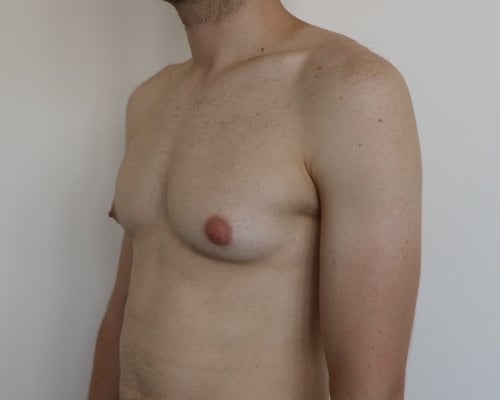
If you’ve noticed swelling or enlargement in your chest area, you might be wondering what’s going on. For many men, the answer is gynecomastia; a common and treatable condition that’s nothing to be embarrassed about.
What is Gynecomastia?
Gynecomastia is the benign (non-cancerous) enlargement of breast tissue in men or boys. It can affect one or both sides of the chest, sometimes unevenly. It’s different from carrying extra fat in the chest area (known as pseudogynecomastia), as true gynaecomastia involves an actual increase in glandular breast tissue.
Interestingly, gynaecomastia affects up to two-thirds of adolescent boys during puberty and is also common in adult men, especially between the ages of 50 and 80. For most teenagers, the condition resolves on its own within months to a couple of years. In adults, it may be more persistent and sometimes requires treatment.
Causes of Gynaecomastia
Gynecomastia occurs when the balance between two key hormones (oestrogen and testosterone) shifts. Men naturally produce both hormones, but testosterone usually dominates. If oestrogen levels rise (or testosterone drops), breast tissue can grow.
Common causes of Gynaecomastia include:
- Hormonal changes during puberty or ageing
- Medications such as certain heart drugs, anti-androgens, or steroids (see full list)
- Underlying health conditions affecting the liver, kidneys, or thyroid
- Recreational drugs including alcohol, cannabis, or anabolic steroids
- Obesity, which can increase oestrogen production
- Idiopathic causes — sometimes, no clear reason is found
Symptoms that may indicate gynaecomastia include:
- A firm or rubbery lump of tissue under the nipple
- Swelling or fullness in one or both breasts
- Tenderness or sensitivity in the chest area
It’s important to note: while gynaecomastia is benign, any sudden changes, lumps, nipple discharge, or skin changes should be checked by a doctor to rule out other causes, including rare cases of male breast cancer. Early assessment provides peace of mind and ensures any underlying issues are addressed.
Treatment Options
Many cases of gynecomastia resolve without treatment, especially in teenagers. If intervention is needed, options include:
1. Observation and Lifestyle Adjustments
If the cause is temporary (like puberty or certain medications), a “watch and wait” approach is often recommended. Reducing alcohol, avoiding recreational drugs, and achieving a healthy weight can help.
2. Medical Treatment
In persistent or painful cases, hormone therapy may be considered to restore balance. But it’s important to consider that medications for gynaecomastia have not been found to be effective in most cases.
3. Surgical Treatment
For gynaecomastia especially where appearance is a concern, surgery to remove excess breast tissue can be performed. This is typically done as a day surgery, with discreet scarring and a relatively quick recovery.
The Takeaway
Even though gynaecomastia is usually harmless, it often affects confidence and quality of life in men. Understanding the condition, knowing when to seek help, and exploring treatment options can make a big difference. At Ashbrooke Cosmetic Surgery, our experienced team provides confidential, compassionate care to help you understand your options and feel comfortable again.
If you’ve noticed changes in your chest that concern you, and you’re considering treatment, contact Ashbrooke today for a private consultation, where you can further understand your treatment options, including surgery, the associated risks, and recovery processes. We’ll also be happy to answer any questions you may have.