Liposuction has changed significantly over the years. Today, there are several different methods available, each with its own approach to fat removal. If you’re considering this type of procedure, understanding the main types can help you feel more informed when discussing options with your doctor.
This guide outlines common liposuction techniques and how they differ, including some of the more recent methods used in clinical settings.
What Liposuction Can (and Can’t) Do
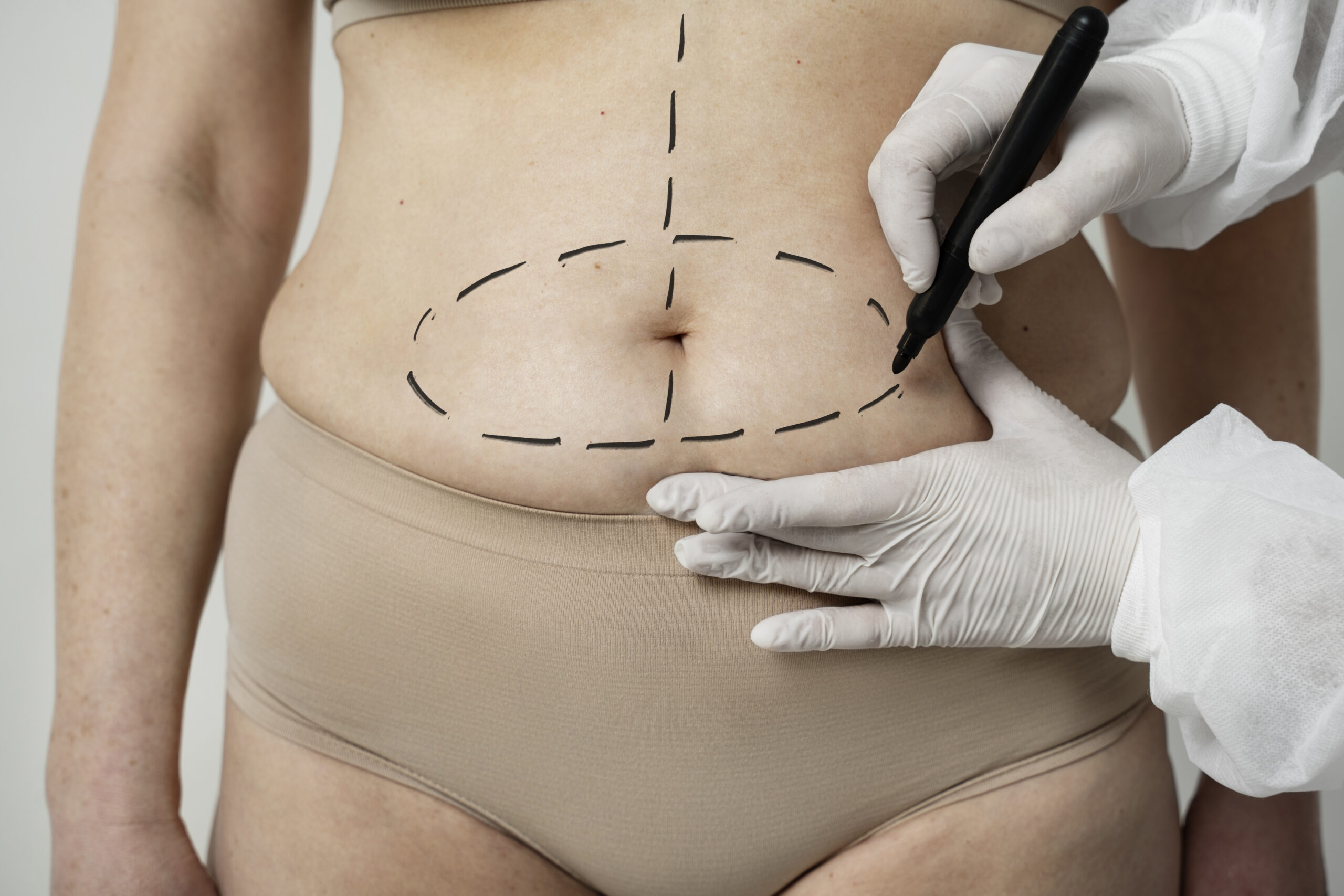
Remember that liposuction is designed for targeted fat removal, not weight loss. It’s best suited for people close to their ideal body weight who struggle with specific areas that don’t respond to diet or exercise. Think stubborn love handles, under-arm bulges, inner thighs, or a resistant lower belly.
Modern liposuction methods also go beyond just fat removal. Some help tighten skin, reduce trauma to surrounding tissues, and allow for more precise contouring. This is especially important when working in delicate areas or when trying to achieve a specific aesthetic or look.
A Breakdown of Liposuction Techniques
Let’s explore the most widely used types of liposuction and how they differ:
1. Suction-Assisted Liposuction (SAL)
This is the most traditional form of liposuction. A small incision is made, and a cannula (a thin, hollow tube) is inserted to manually break up fat, which is then suctioned out with a vacuum-like device.
Pros:
- As a long-standing and widely practised method, it’s trusted and proven to be effective for removing larger volumes of fat.
- It’s often more accessible and available at clinics due to its long-established nature and simpler equipment requirements.
Cons:
- Because the fat is manually dislodged, this method can cause more trauma to surrounding tissues, potentially leading to increased bruising and swelling.
- Recovery can take longer compared to more advanced techniques, and results may not be as refined in terms of contour or symmetry.
- There’s a higher likelihood of minor irregularities in the skin surface, especially in areas where fat distribution is uneven.
2. Tumescent Liposuction
This method involves injecting a specialised fluid (containing saline, local anaesthetic, and epinephrine) into the fat layer before removal. This fluid helps numb the area, reduce bleeding, and make the fat easier to extract.
Pros:
- The solution reduces discomfort during the procedure and helps manage pain in the initial recovery phase.
- Blood loss is minimised thanks to the vasoconstrictive effects of epinephrine, which also reduces bruising.
- Because the fat is loosened by the fluid, removal tends to be more efficient and controlled.
Cons:
- Although it enhances safety and comfort, it does not offer any additional benefit in terms of sculpting or skin tightening.
- Recovery and final outcomes still depend significantly on the surgeon’s manual technique and overall fat volume removed.
3. Power-Assisted Liposuction (PAL)
This technique uses a rapidly oscillating cannula to dislodge fat before suctioning. The vibration helps break apart fat cells more efficiently, especially in dense or fibrous areas.
Pros:
- The vibrating cannula allows for easier fat removal, reducing surgeon effort and possibly shortening procedure time.
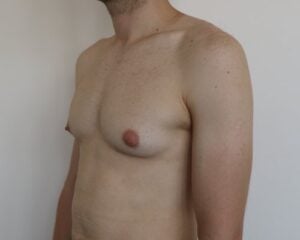
- It’s particularly helpful in areas where fat is tougher or more fibrous, such as the upper back or male chest.
- This method is also commonly used in revision procedures where previous liposuction may have left scar tissue.
Cons:
- Despite being more mechanically efficient, it doesn’t significantly reduce trauma to tissue or improve skin tightening.
- It may not be the best option for patients seeking a more specific aesthetic outcome.
4. Laser-Assisted Liposuction (LAL)
This technique uses laser energy to melt fat before removal. A laser fibre is inserted through a small incision, delivering heat to liquefy fat and potentially stimulate collagen production for skin tightening.
Pros:
- Because the fat is liquefied, removal is smoother and may result in less trauma to surrounding tissue.
- Some patients may see mild skin tightening over time due to the thermal stimulation of collagen.
- The procedure is minimally invasive and often well-suited for small, delicate areas like under the chin or upper arms.
Cons:
- It is not typically recommended for removing large fat volumes, as its effectiveness diminishes with scale.
- The level of skin tightening varies widely from patient to patient and is usually modest.
- As with all energy-based devices, results depend on the operator’s skill in managing settings and targeting.
5. Ultrasound-Assisted Liposuction (UAL) including VASER
This method uses ultrasonic energy to emulsify fat cells before they are suctioned out. A probe delivers ultrasound vibrations that loosen fat from connective tissue, allowing for gentler and more precise removal. Vibration Amplification of Sound Energy at Resonance (or VASER) is one of the most advanced and widely recognised forms of this approach, and a signature procedure at Ashbrooke Clinics.
Pros:
- The ultrasound energy allows for less traumatic fat removal, often resulting in less bruising, swelling, and discomfort post-surgery.
- Because the fat is emulsified rather than manually broken up, the surgeon can be more precise in the removal and shaping of fat tissue. This is ideal for defining body lines or muscle contours.
- In many cases, patients experience improved skin tightening and smoother surface results, especially when compared to traditional methods.
Cons:
- The technique requires advanced training and experience to perform safely and effectively.
- Procedures using ultrasound-assisted liposuction often cost more due to the specialised equipment and skill involved.
- It’s important to have realistic expectations. While this method can enhance definition, results are still influenced by factors like skin elasticity and post-op care.
Why Some Methods Offer More Than Fat Removal
If you’re looking for more than just volume reduction, for example muscle definition or smoother contours, newer methods like ultrasound-assisted or laser liposuction might be worth exploring.
While all techniques aim to remove fat, some use technology that allows for more precise manipulation of the tissue. Some can even help promote skin tightening, which is particularly useful for those concerned about sagging or skin laxity post-treatment. This is why we often recommend VASER for patients looking to define areas like the abdomen, arms, or jawline, or where skin retraction is an important goal.
What to Consider When Choosing a Method
Your ideal liposuction technique will depend on a few key factors:
- Area being treated: Larger areas may benefit from suction methods, while smaller or more detailed zones often require precision-focused techniques.
- Skin quality: If you’re concerned about loose skin, a method that encourages retraction can be beneficial.
- Volume of fat: Some techniques are better for subtle contouring, others for larger-volume fat removal.
- Downtime: Some newer methods offer quicker recovery and less bruising.
- Budget: Advanced technology and techniques may come at a higher cost, but often with refined results and better recovery.
The Importance of Surgical Skill
Regardless of the method used, your results depend heavily on the expertise of your surgeon. Advanced techniques like VASER liposuction require not only technical precision but also a refined aesthetic eye.
At our clinic, procedures are performed by Dr Sarojini Nair; one of Australia’s most experienced cosmetic physicians and the first female doctor in the country accredited to perform liposuction in a clinical setting, specialising in VASER liposuction. With training under pioneers like Dr Jeffrey Klein and affiliations with global cosmetic surgery organisations, Dr Nair brings both expertise and a personalised approach to every treatment.
Final Thoughts
There’s no one-size-fits-all approach to liposuction. The right method depends on your goals, body type, and skin quality, and having the right surgeon makes all the difference. If you’re exploring liposuction, a consultation can help determine which technique may suit your needs and what outcomes are realistic for you.