Spider veins and varicose veins are incredibly common, especially as we age, and while they’re often seen as a cosmetic issue, they can sometimes signal underlying vein problems. Whether you’re noticing fine red lines on your legs or uncomfortable bulging veins, understanding the difference between these two conditions is the first step toward managing them.
What Are Spider & Varicose Veins?
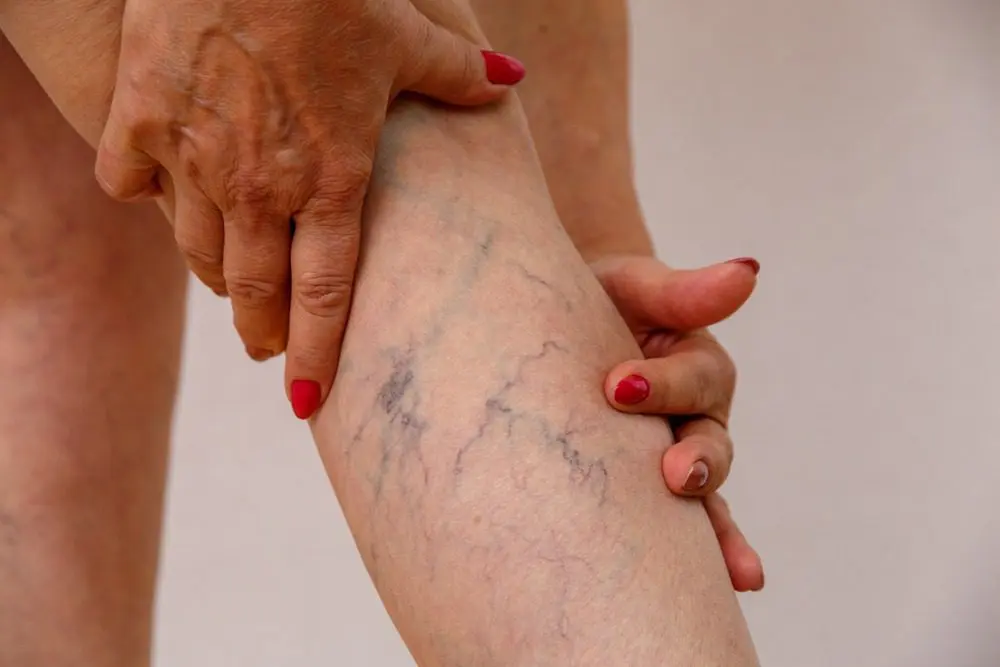
Spider veins are small, thin red or purple lines that appear just beneath the surface of the skin. They tend to form in clusters and are often found on the legs or face. While they rarely cause discomfort, some people seek treatment as a way to minimise their appearance.
Varicose veins are larger and more pronounced. These veins can twist or bulge slightly over the edge of the skin, and are often blue or purple in colour. Most commonly found on the legs, they can cause symptoms like aching, throbbing, or a feeling of heaviness — especially after long periods of standing or sitting. Unlike spider veins, varicose veins can sometimes lead to more serious medical issues if left untreated.
Why They Happen
Your veins contain one-way valves that help keep blood flowing back to the heart. If these valves weaken or become damaged, blood can pool instead of flowing smoothly. Over time, this builds pressure and stretches the vein walls, resulting in spider or varicose veins.
Varicose veins are mainly caused by weakened valves in deeper veins, leading to blood pooling and increased pressure that enlarges the veins. The valves can be impacted by weight, age, activity, or even existing conditions like lymphedema, in which poor lymphatic drainage puts pressure on vein function.
In contrast, spider veins result from the dilation of small surface capillaries, often triggered by hormonal changes, sun exposure, or localised pressure. While varicose veins may signal underlying medical issues, spider veins are usually painless and considered a cosmetic concern.
Common risk factors for varicose or spider veins:
- Family history: If your parents or siblings have vein issues, you’re more likely to develop them as well.
- Ageing: As we age, our vein walls and valves naturally weaken, increasing the risk of blood pooling.
- Pregnancy and hormonal changes: Increased blood volume and hormone shifts can affect vein function, particularly in women.
- Long periods of standing or sitting: These positions reduce circulation and put extra strain on the veins in your legs.
- Being overweight: Extra body weight puts pressure on your lower body veins, which can lead to stretching and valve failure.
- Sun exposure: Too much time in the sun — especially on unprotected facial skin — can cause delicate spider veins to form.
Can You Prevent Them?
While some risk factors like genetics and age are unavoidable, there are steps you can take to minimise the development of visible veins, or to keep existing ones from getting worse.
Helpful prevention tips:
- Move regularly: If your job involves sitting or standing for long periods, take short walks or do calf raises every hour to encourage healthy blood flow.
- Avoid sitting or standing too long: Mix up your position throughout the day to prevent blood from pooling.
- Elevate your legs: Raising your legs above heart level for 10–15 minutes at the end of the day helps relieve pressure and support vein drainage.
- Maintain a healthy weight: Reducing extra pressure on your veins can help them function more efficiently and reduce pooling.
- Avoid excessive heat: Hot baths, saunas, and long sun exposure can cause veins to dilate and worsen the appearance of existing veins.
- Wear compression socks: These garments gently squeeze the legs to support vein function, reduce swelling, and promote better circulation — particularly helpful if you’re on your feet a lot or prone to swelling.
What In-Clinic Treatments Are Available?
There are several safe and effective vein treatments available to address both spider veins and varicose veins such as:
- Sclerotherapy: A tried-and-true method where a solution is injected into small veins, causing them to collapse and fade over time.
- Laser or light therapy: Often used for spider veins on the face or legs, this method uses heat to seal off the vein without needles.
- Endovenous ablation: For larger varicose veins, this minimally invasive technique uses heat energy to close the affected vein from the inside.
- Microphlebectomy: In cases where veins are too large to respond to injections or heat, they can be physically removed through tiny skin incisions
Spotlight on Sclerotherapy
Sclerotherapy is one of the most popular treatments we offer, especially for spider veins and small varicose veins. The procedure takes around 20–30 minutes, involves very fine injections, and has minimal discomfort. Most people can walk immediately afterward and return to normal activities the same day. You may need to wear compression stockings for a few days, and results are usually visible within weeks, though multiple sessions may be needed for optimal results.
When to seek further medical advice
While spider veins and varicose veins are normal, it’s recommended to seek further medical advice if you notice the following:
- Ongoing leg pain or heaviness: Especially if it worsens throughout the day or after standing.
- Swelling, redness, or warmth in one leg: This could be a sign of a deeper circulation problem, like a blood clot.
- Skin changes or ulcers near your ankles: This may indicate chronic venous insufficiency and needs medical attention.
- Veins that bleed or become very tender: These symptoms suggest your veins are under significant strain and should be evaluated.
A specialist may perform a physical exam and an ultrasound to get a clear picture of how your veins and valves are working beneath the surface.
Final Thoughts
Spider veins and varicose veins are common, often preventable, and definitely treatable. Whether you’re seeking relief from discomfort or a cosmetic refresh, at Ashbrooke Cosmetic Surgery we provide modern, safe, and effective vein treatments that not only help to minimise the appearance of veins, but also help you feel better in your skin, and on your feet.
How to Schedule a Consultation
To book a consultation with Ashbrooke Cosmetic Surgery, please call us on (02) 9310 4100, email us at info@ashbrookesh.com.au or book a vein consultation online via our website.
Our Location
Find us here:
Level 1, 573 Crown Street,
Surry Hills, NSW 2010,
Australia
Parking
Parking is available on Crown Street for 2 hours and on side streets.
Free Parking For 2 Hours at Coles at Surry Hills Shopping Centre (parking entrance is on Baptist St) from 7am to 10pm.
Customers booked in for longer procedures will be provided with private parking for the duration of the treatment.